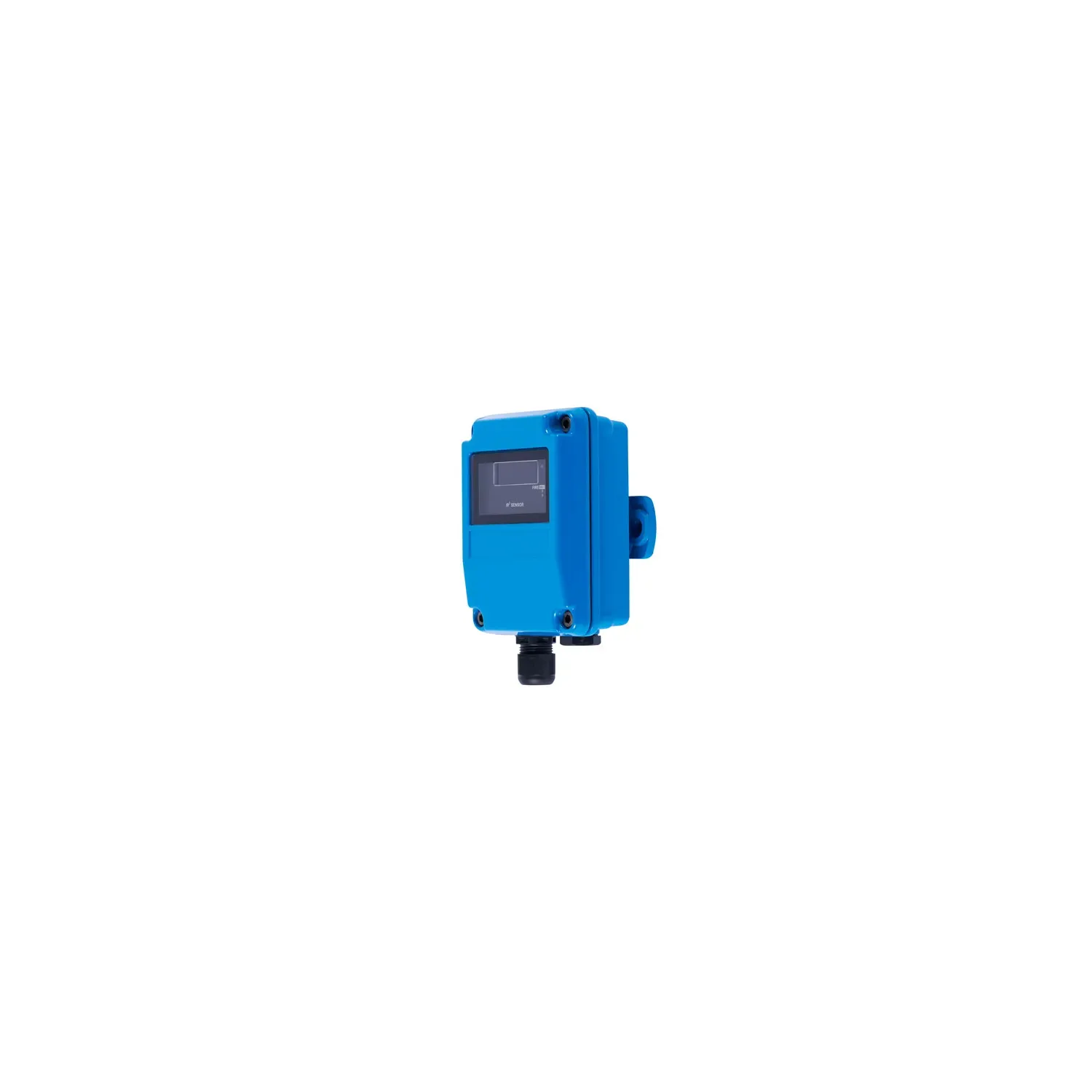
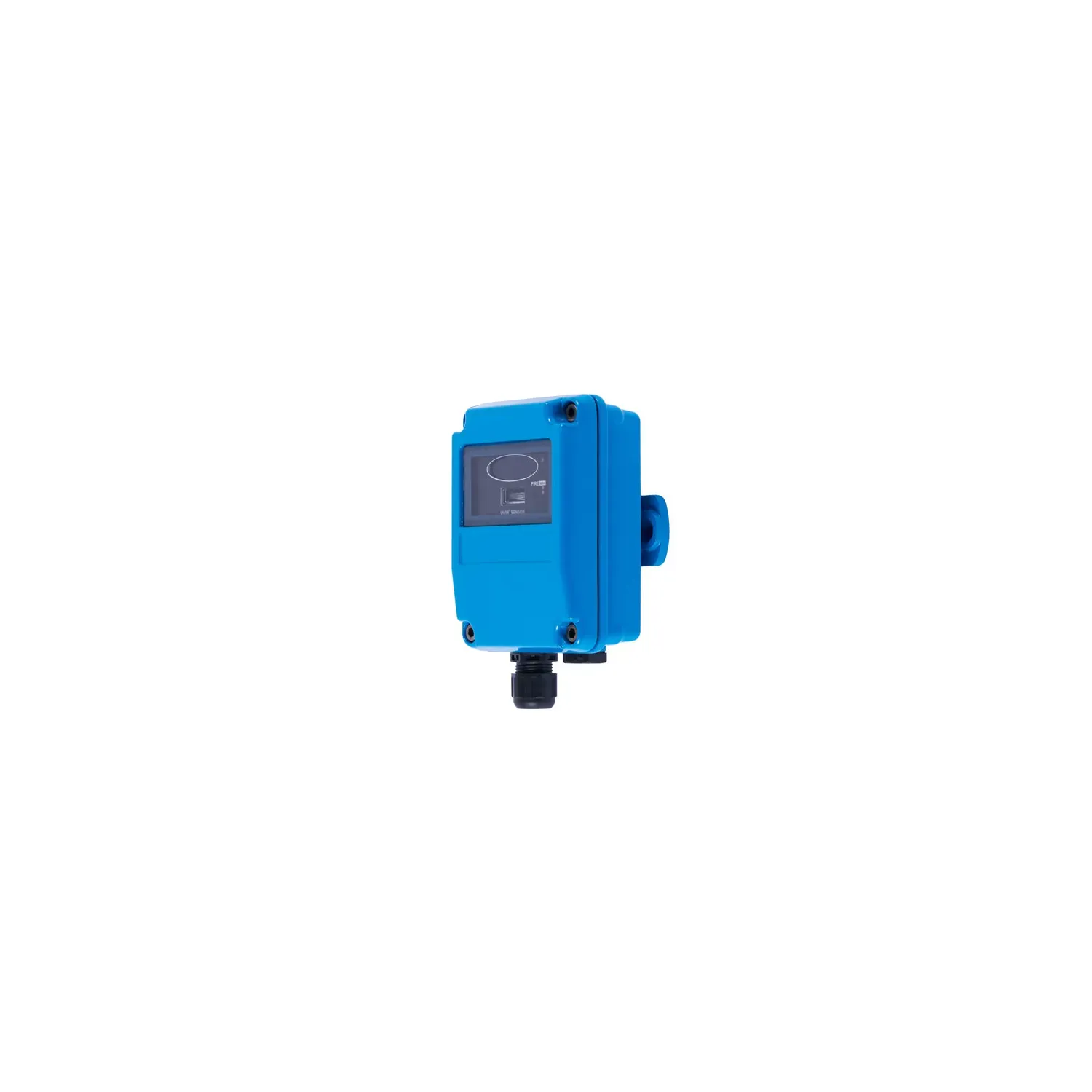
PAP Group’s range includes flame detectors and their accessories. Our sales team can also help you assess the need for gas detection and choose a solution.
Flame detection
Flame detection can be used, for example, to monitor industrial sites and sites that handle flammable substances. It is suitable for spaces where a fire can develop rapidly or produce little smoke. Whether a detector is suitable depends on the fire risk to be monitored and the features of the chosen model.
Explore the flame detectors and mounting accessories in this product group. The selection process establishes whether the model suits the operating environment and how it is connected to the site’s system. The product name alone does not tell you whether it is suitable for a particular site.
What is gas detection used for?
Gas detection monitors gases that people do not always notice in time: many of them are odourless or invisible. The gas to be monitored and the type of detector depend on what is handled in the space and what can be produced there.
Flammable gases
Flammable gases, such as natural gas, liquefied petroleum gas (LPG) or hydrogen, are monitored so that a leak is detected before the concentration reaches an explosive level. The detector measures the concentration relative to the lower explosive limit of the gas and raises an alarm well below it.
Toxic gases
Toxic gases, such as carbon monoxide, are monitored to protect people’s health. Carbon monoxide is an odourless gas produced by incomplete combustion, for example in the exhaust gases of internal combustion engines and in combustion appliances.
Typical sites
Gas detection is used, for example, in industrial process and storage areas, car parks, boiler rooms and kitchens that use gas. In a car park, exhaust gases are typically monitored; in a boiler room, fuel leaks and the carbon monoxide produced by combustion.
Gas detection as part of safety systems
A gas detection system is usually a separate system, but its alarm and fault information can be passed to the fire alarm system, building automation or a control room. In a fire alarm system, the information can be connected via I/O units, and an alarm can trigger, for example, boosted ventilation or other controls designed for the site.
Gas detectors and fire detectors cannot replace each other. For example, the carbon monoxide sensor of a multi-sensor detector is part of fire detection: it reduces false fire alarms, but it does not replace a carbon monoxide alarm or a gas detection system.
What should be considered when choosing?
The location of a detector depends on the properties of the gas. Gases lighter than air, such as natural gas and hydrogen, rise, whereas LPG, which is heavier than air, collects near the floor. Equipment installed in potentially explosive atmospheres must meet ATEX requirements. You will find fire detectors for such spaces under Ex detectors.
The sensors of gas detectors require regular testing and calibration in accordance with the manufacturer’s instructions. It is worth taking maintenance into account at the procurement stage.
Ask for help choosing a detector
Tell us about the activity to be protected, the gas or fire risk to be monitored, the conditions in the space and your existing fire alarm system. Based on this information, our sales team will assess what kind of flame or gas detection suits the site and how it is connected to other systems.