PAP Group · · Updated · Customer story · Fire alarm systems · 5 min read
A symbol of Finland protected by the best fire safety solutions
Finlandia Hall is one of Finland’s most significant cultural heritage treasures. The building has just undergone an extensive renovation, during which its fire safety was also brought up to date.

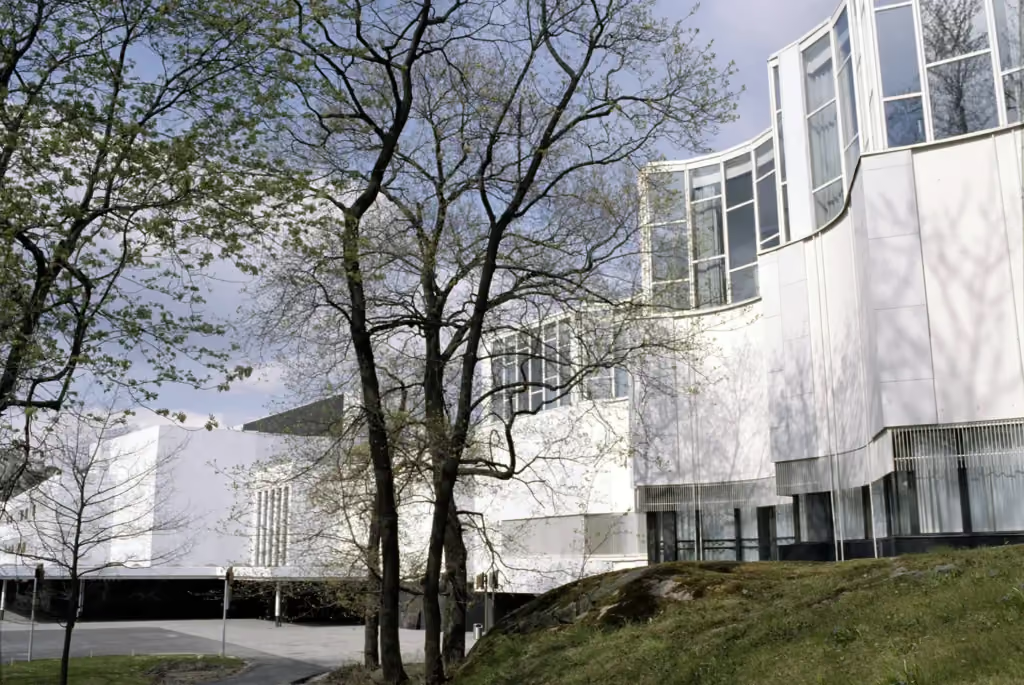
Alvar Aalto wanted Finlandia Hall, completed in 1971, to become a symbol of Finland. He designed the building as a total work of art in which every detail, right down to the lamps, door handles, seats and other furniture, is the work of Aalto and his office. Finlandia Hall is described as one of the most beautiful buildings in Helsinki, and its futuristic appearance has not lost its charm over the decades. Since it opened, countless events and experiences have taken place within its walls. In keeping with Aalto’s vision, people – performers and audiences – are at the centre of everything. The architecture is meant to provide the perfect setting for events and create the right atmosphere for them without stealing the attention.
Finlandia Hall has recently undergone an extensive renovation. In the project, completed in January 2025, the building was renovated inside and out to meet current requirements. During the renovation, Finlandia Hall’s marble façade was renewed and the building’s accessibility, lift connections, energy efficiency and building services, among other things, were brought up to date. PAP’s task in this major project was to ensure that this national treasure is protected by the best possible fire safety solutions.
Comprehensive, state-of-the-art fire safety technology
PAP rolled up its sleeves for the Finlandia Hall project in autumn 2022. “The project was commissioned from us by the project’s electrical contractor Quattroservices, whose client was the construction company Skanska, selected to deliver the project as a whole,” says Nuutti Panula, Sales Manager at PAP. “The electrical design for the site had been done by Ramboll together with Finlandia Hall. Our task was to review and supplement this design from a fire safety perspective and to ensure that all current requirements for fire alarm systems are met. We were also responsible for commissioning the systems, programming and testing the control equipment, and coordinating the official inspections.”
The fire alarm system at Finlandia Hall incorporates a comprehensive range of the latest fire safety technology available. “The building is a historically valuable space, so extinguishing water cannot be used everywhere. This means that the sprinklers also need to be complemented by other fire safety solutions. In Finlandia Hall’s public areas, we installed manual call points, sounders, fire detectors and alarm devices. An aspirating smoke detection system was installed in the technical attic spaces. We were also responsible for supplying and commissioning the public address system. The systems at the site are operated through a graphical user interface that we installed.”
A unique site means unique challenges
Just as Aalto originally envisioned, people are still at the centre of Finlandia Hall today. Naturally, this also placed requirements on the installation of the fire alarm systems. “This is a building of cultural and historical significance,” says Roope Kinnunen, Project Manager at PAP. “When installing the systems, special attention had to be paid to the architectural perspective, as the appearance of the site had to remain true to Aalto’s design. Nothing other than the absolutely essential parts of the system could be left visible.”
Because of the visual constraints, the positioning and colour scheme of the detectors and other devices were carefully considered together with the architect and the electrical contractor. “White sampling pipes were installed in the banquet halls so that they would blend into the background. Detectors that remain visible were concealed behind slatted panels, and the cable routes were designed to make the whole as unobtrusive as possible.”
According to Roope Kinnunen, Finlandia Hall’s use as a venue for events and experiences also had to be taken into account in the fire safety design. “A disablement system was installed in Finlandia Hall’s main auditorium that allows the smoke detectors to be disabled when stage effects produce smoke in the space. In these situations, fire safety is ensured by heat detectors.”
In a building this old, cabling was a challenge in its own right. “The wiring and cable routes at this site are really challenging, as they run through various technical shafts and inside intermediate floors, among other places. Designing and carrying out the cabling was therefore a major part of the project as a whole.”
Attention was also paid to making the fire safety equipment as easy as possible to maintain. “For example, maintenance of the detectors in the main auditorium was solved so that it can be carried out from the attic, without having to put up scaffolding in the auditorium itself for maintenance.”
The best possible fire protection for heritage buildings
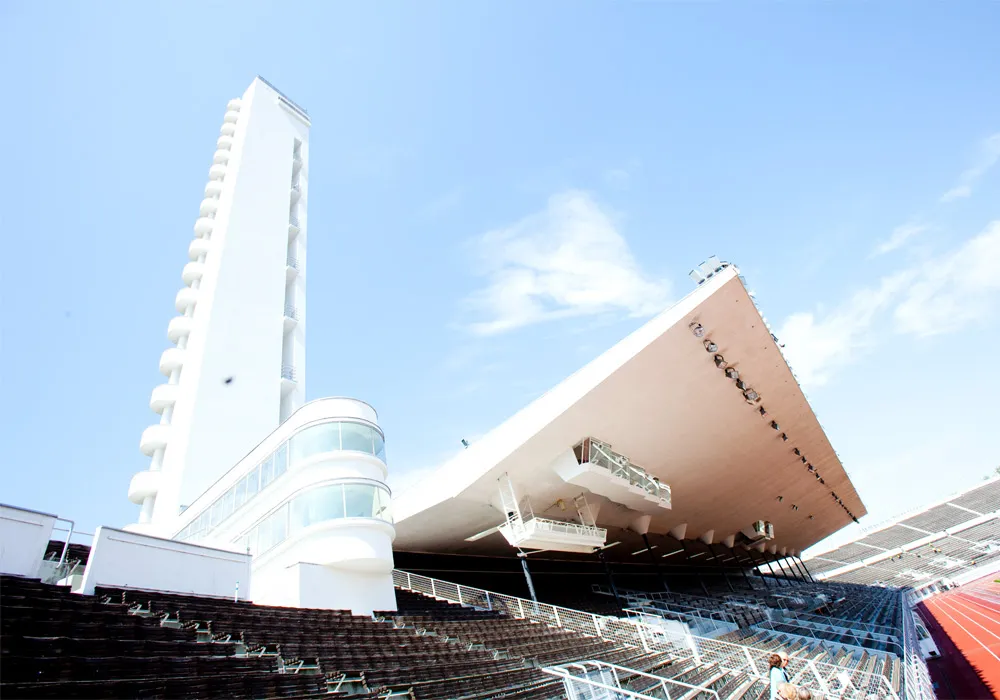
According to Nuutti Panula, Finlandia Hall was a unique project for PAP too. “We have previously helped build fire protection for sites of cultural and historical significance, such as the Helsinki Olympic Stadium. However, Finlandia Hall was in a class of its own in terms of its special features. The project was a great success, and we now have even more experience of protecting sites of this kind. From now on, we will take care of the servicing and maintenance of Finlandia Hall’s fire alarm systems.”
Sites of cultural and historical significance, above all, really deserve investment in fire protection. “Finlandia Hall was designed as a symbol of Finland, and that is exactly what it is. Nothing but the best possible will do when it comes to ensuring the fire safety of sites like this – and that is what PAP knows how to design and deliver for heritage buildings.”
Interested? Get in touch!
Photos: Finlandia Hall media bank